Stay Informed

Agenda

View the 2025 agenda from Cleveland below.


Please click on the dates below to see each day's program!


Registration Opens
Welcome & Opening Remarks
Session I: How to Maximize Impact of Advanced Recycling
Advanced Plastic Recycling at a Crossroad
The advanced plastic recycling industry’s crossroad is marked by both promise and peril. The sector is essential for meeting ambitious circular economy and sustainability goals, particularly for hard-to-recycle plastics. Yet, it faces formidable barriers in technology, economics, regulation, and supply chain management. The coming years will be decisive: with the right policy support, investment, and innovation, advanced recycling could become a mainstay of global plastics management. The presentation will give an overview of the development in advanced plastic recycling technologies and provide a techno-economic comparison of several technologies.
 
Susan L. Bell, Ph.D | Director, Process Economics Program, S&P Global
Fireside Chat: Striving for Success
Goals to 2025 did not pan out the way that many brands had hoped they would. The lack of progress has many within the packaging industry rethinking how to improve recycling rates, improve packaging sustainability and making a real impact on the environment. How are you keeping the momentum of trying to achieve goals? With state to state updates on EPR, how are companies handling the differences? What are some challenges that are preventing progress for goals and pushing for more recyclability?

Panelists include:
  • Jonathan Quinn, CEO, US Plastics Pact 
Session II: Opportunities in Industries Outside of Packaging
Panel: Is there opportunity in the auto industry for advanced recycling?
For advanced Recycling – do we know the need for it and what are some barriers to entry for use in the auto industry? The panelists will discuss how they feel about advanced recycling and where some of the potential benefits could be within the auto industry. How are mandates in other countries such as Europe and Japan going to influence the use of advanced recycling in the auto industry?

Panelists
  • Zack Patterson, Global Exxtend Marketing Manager, ExxonMobil

 
Networking Break
Session III: Update on Regulation and Policy
Between Mandates and Materials: EPR, PCR, and the Path Forward
This panel will provide a timely update on extended producer responsibility (EPR) legislation, including new laws passed in two states this year and the evolving regulatory landscape in California. Speakers will also explore the challenges posed by New Jersey’s PCR mandates—particularly the exclusion of advanced recycling—and how leading companies are navigating compliance.

Moderator
  • Andrea Albersheim, Director, Plastics Sustainability, American Chemistry Council
Panelists
  • Adam Peer, Senior Director, Plastics Sustainability, American Chemistry Council, USA
  • Mark Bescher, CEO, Legacy Public Policy
  • Kelly Smith, Vice President, Head of Institutional Affairs, Ferrero
Box Lunch
WM Tour- Must Apply to Attend
Depart for WM Facility
Available to pre-approved attendees. For more information on how to register for the tour click here.
Start tour at WM
Tour Concludes at WM
Return to Conference Hotel
Welcome Reception- Open to All Attendees
Registration Opens
Opening Remarks
Driving Consistent Quality with Validation of Recycled Materials
As the desire to utilize a higher percentage of recycled plastic materials continues to grow, it is critical to ensure that materials can support specific application requirements. In this session, we will discuss the importance of developing a quality control program for recycled plastics and how it can unlock new opportunities for businesses and industries. We will explore the latest technologies and best practices for ensuring the quality of recycled plastics, as well as the potential impact on sustainability and environmental conservation. The presentation will cover:
•    Current Landscape of Plastics Recycling: Gain insights into the latest trends in the plastics recycling market, including feed streams and the dynamics of recyclers, to better understand where the industry is headed.
•    Overview of Common Ingredients and recycled content used in final product design.
•    The critical attributes that define high-quality recycled materials, including performance metrics and sustainability considerations.
•    How testing and validation can qualify your supply
 
Joshua Guilliams | Vice President, Consulting Materials Science and Engineering, Smithers
Session IV
Lessons Learned- Roundtable
This panel is intended to showcase lessons learned from using and implementing advanced recycling, challenges and opportunities that have come from using advanced recycling and working with regulation and policy such as EPR etc. 
 
The panelists will give 5 minutes of lessons learned, how getting into advanced recycling has gone and then there will be 15 min of Q&A between the panelists and then from the audience.

Moderator
  • Omar Terrie, Head of Public Affairs, Alterra Energy
Panelists
  • Jeff McMahon, Managing Director, Freepoint Eco-Systems LLC 
  • Kenny Davis, Chief Commercial Officer, ReSynergi 
Session V: Synergy Potential- Mechanical and Advanced Recycling
Panel: Mechanical Recycling and Advanced Recycling
This panel of mechanical recyclers will talk about their interest and concerns with advanced recycling. A few advanced recyclers will join the conversation and discuss how both technologies can bring potential partnerships to the industry.

Moderator
  • Ganesh Nagarajan, Sr. Director, Plastics, Waste Management
Panelists
  • Leslie Hushka, Chief Impact Officer, Cyclyx
  • Rich Simon, Director of Feedstock Development, Alterra 
  • Sasi Noothalapati, Owner, Frankfort Plastics Inc
Networking Break
Session VI: Exploring Circularity for Other Materials
Economically Viable Plastics Recycling by Dissolution
Globally, only 8% of plastic waste is recycled. Polystyvert is a Montreal-based cleantech company that revolutionizes plastic recycling by implementing a circular economy. Thanks to its unique low temperature and low-pressure recycling process by dissolution (physical recycling), Polystyvert’s technology recycles and purifies plastic waste that is usually considered non-recyclable due to its high contamination. The result is a recycled raw material of high purity that can replace virgin plastics while reducing GHGs by up to 90%, according to our life-cycle analysis.

Polystyvert offers a short recycling loop for PS, ABS, PP and PE, serving industries such as packaging, construction, electronics, automotive, pharmaceutical and toys.Now at the commercialization stage with an upcoming polystyrene recycling commercial plant in 2026, Polystyvert’s technology is protected by over 60 patents in 17 countries.

Growing concerns regarding contaminants in recycled plastics have recently been highlighted in a U.N. report, as plastic compounds contain many additives that are challenging to remove at the end of life. This is why there is an increased demand for purification processes in the plastic recycling value chain, which Polystyvert addresses with its unique technology to remove contaminants such as flame retardants, colour pigments, carbon black, as well as oil or paint residues and mixed plastics.

Polystyvert’s patented dissolution and purification processes can also treat ABS, with tests undergoing with many clients at the pilot unit. The technology platform also applies to recycle PP and PE. Environmental concerns and regulations related to plastics recycling are encouraging companies to invest in more sustainable alternatives. With many jurisdictions adopting zero plastic waste strategies, carbon emission reduction plans, Extended Producer Responsibility schemes, recycled content targets, and increased reputational pressure on brand owners, innovative solutions are needed more than ever. Polystyvert offers both an environmentally and an economically viable solution for plastic waste. We will also present our new brand image and company name – UpSolv – to reflect the extension of our technology platform to thermoplastics.
 
Virginie Bussières | VP External Affairs and Partnerships, UpSolv
Expanding Polypropylene Circularity Through Dissolution Recycling
PureCycle has invested in identifying and executing partnerships with industry leaders and organizations to help bring our patented, dissolution recycling process to the market. PureCycle has a goal to produce up to one billion pounds of PureFive™ resin while simultaneously accelerating the circular economy for plastics. From manufacturing processes to sustainability efforts, we understand the value of strategic partnerships across the plastic production chain. 

As one of the only companies operating a dissolution recycling technology at commercial scale, PureCycle is an industry leader in polypropylene recycling. Using our patented form of dissolution recycling, the Company has made several technical breakthroughs. This includes the successful separation of colors, odors and impurities from polypropylene plastic waste to produce our PureFive™ resin. The materials removed from the polypropylene feedstock during purification are also given a new life by being further processed into co-products for customers.
 
Tamsin Ettefagh | Chief Sustainability Officer and Chief Commercial Officer, Purecycle Technologies
Session VII: Responses from Regulatory- Conversations with the Ohio EPA
Networking Lunch
Session VIII: Recycling Efforts
Prioritizing Recycling Efforts- Congressional Hearing Recap
Moderator
  • Ganesh Nagarajan, Sr. Director, Plastics, Waste Management

Panelists
  • Dan Felton, President and CEO, Flexible Packaging Association
  • Philip Chalker, Director, Plastics Sustainability Policy, American Chemistry Council
  • Chris Wirth, Chief Development Officer, The Recycling Partnership
Session IX: LCA Studies or Challenges in Producing an LCA
Bridging the Gap: How Digital Marketplaces Are Solving Feedstock Challenges in Advanced Recycling
Advanced recycling is poised to revolutionize plastics sustainability—but without reliable feedstock and efficient sourcing, its growth remains constrained. This presentation explores how invite-only, digitally native supply chain platforms like Matium are addressing the persistent challenges around feedstock availability, traceability, and material specifications. Drawing on real-world data from over 300 million pounds of material traded and 8,000+ verified connections across North America, this session demonstrates how secure digital exchanges can:
  • Expand access to high-quality post-consumer and post-industrial materials
  • Enable verified transactions and standardized specs to reduce contamination
  • Streamline sourcing for advanced recyclers by leveraging real-time listings, RFQs, and bidding
  • Support circularity goals through embedded carbon tracking and supplier transparency
  • Lay the groundwork for mass balance certification and traceability at scale
Attendees will walk away with practical insights on how technology-first collaboration is unlocking value in collection, sorting, and material exchange—positioning advanced recycling to thrive alongside mechanical methods.
 
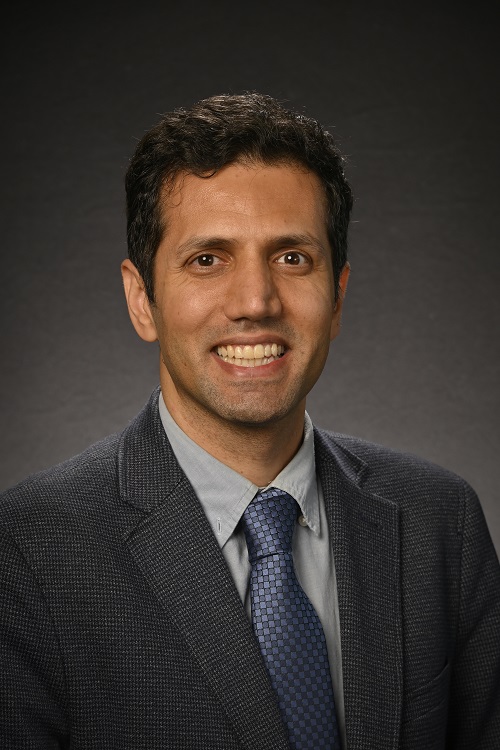
Bailey Robin | Chief Executive Officer, Matium
Life Cycle Assessment and Circularity Metrics for Advanced Recycling Technologies
While life cycle assessment (LCA) is widely regarded as a key tool for assessing environmental impacts, its application in advanced recycling technologies presents challenges that can influence policy and industry decisions. This presentation explores the role of LCA in evaluating recycling strategies, focusing on both its strengths and the complexities that emerge when implementing this methodology.

I will discuss some of the most debated aspects of LCA within the context of advanced recycling, including system boundary definitions, data uncertainties, and allocation methods. These factors can shape how sustainability decisions are made and justified. Additionally, I will examine the challenges of interpreting LCA results in regulatory and business contexts, addressing how oversimplification can lead to unintended trade-offs.

The presentation will then address the complementary role of circular metrics, particularly the new ISO 59020 framework. I will outline how these metrics provide additional dimensions for evaluating advanced recycling technologies by quantifying material flows, resource retention, and circularity performance.

This talk aims to provide practical guidance for maximizing the effectiveness of LCA and circularity metrics in evaluating advanced recycling technologies. Through critical analysis of methodological considerations, stakeholders can better leverage these tools to support evidence-based decisions that truly advance sustainability and circular economy objectives while navigating the complexities of implementation.
 
Mahdi Takaffoli | CEO, 5REDO
Session X: AI and Advanced Recycling
Networking Break
Creating a Truly Circular Packaging System with Connected Solutions
Packaging has undergone substantial transformation, evolving from its foundational function of product protection to serving as a means of capturing consumer interest. Currently, packaging increasingly engages digitally literate consumers by interacting with its environment and meeting requirements for recyclability and true circularity. While these attributes may occasionally appear at odds, the connected aspect in particular, now facilitates and supports many of the features and opportunities associated with modern packaging solutions. For example, connected in-mold labelling (IML) can enable a genuinely circular packaging economy while maintaining all the other essential features and performances. Furthermore, this discussion will examine how artificial intelligence enhances value across the supply chain by refining processes and advancing product design.
 
Maurizio Carano | Innovation and Marketing Director for IML , Multi Color Corporation
Wrap Up Panel
Panelists:
Omar Terrie, Head of Public Affairs, Alterra Energy
Robert Flores, Vice President of Sustainability, Berry Global
Ganesh Nagarajan, Sr. Director, Plastics, WM

 
Closing Remarks